
Beneath them, the earth moved with a speed and determination that they could not keep up with. In bushes surrounding them, and sometimes in the trees, or around corners, a sort of vertigo lurked, chasing them quietly and attacking when they were most vulnerable. They were still only children, unaccustomed to the spinning and rotating of the planet they stood on. That vertigo would be with them until they matched or exceeded the pace of the earth, that is, until they sat, bent over man-made machines, bent on receiving that next paycheck, always thinking, “There’s not enough time.” One day, they’ll learn there’s never enough time, and the creeping dizziness will disappear, replaced with a still numbness.
They lay in the grass, not wanting to risk falling down. The sun held them warmly, keeping them close together and content.
The girl squinted against the sun, wanting to see the bright blue vaulted sky above her. It was such a clear, beautiful blue that she felt she had never seen before. She thought maybe now she understood the concept of “royal blue.”
The boy had closed his eyes and watched the orange spots of the sun float about beneath the shields of his eyelids, looking for something deeper, something hidden, but still feeling glad to have found anything at all.
“I’m going to go blind,” the girl said, turning her head slightly so she could see the boy clearly. She noticed his eyes were closed and tapped him on the shoulder. He turned to look at her, his green eyes fluttering open and blinking against the brightness, struggling to see her lips repeat themselves. “I’m going to go blind.”
He looked upset and shook his head, but she only smiled.
“Yes. You’ll tell me what you see, and I’ll tell you what I hear. We’ll be like puzzle pieces– we’ll be exactly like puzzle pieces. Doesn’t that sound lovely?”
He shook his head again, opening his mouth as if to speak, then shutting it. He lifted his hands off the grass and expressed his disdain with them, saying, “It doesn’t sound like anything.”
She watched him turn away and close his eyes again, hands resting on the grass. Frowning, she turned her blue eyes back to the sky, lifting her hand to the sun and finding it marvelous that it outlined her fingers in burning red.
There were birds and they sang, but he could not hear them. He could see them hopping on the lawn, he could see them open their mouths and he could almost imagine the sound of their music, except there was no music.
He had, once. He’d heard them, once, and he’d heard Bach, he’d been irritated by cars honking their horns, he’d been scared of the creaking of his house. There was a void now where notes of lullabies and his mother’s voice once were, his little sister’s laugh and the theme song of his favorite cartoon. Now it was only a black vacuum beaten into him by the fists of a man whose face he couldn’t remember, whose name he’d never hear again.
In the dark, he’d stagger and be brought to his knees by the world’s relentless revolutions, by the effects of stolen alcohol, and there he’d stay, kneeling beneath the weight of a past people would tell him he’d recover from. It was the kind of past people would demand he recover from, kneeling the way his mother kneels on Sundays, beneath the body of Christ in the hopes that recovery will come sooner, in the hopes forgiveness will come at all.
Sitting in the grass of the hill, he watches the birds and the glittering of the lake in the distance, and the sky begins to turn pink. He turns to the girl and says with his hands, “Am I missing anything important?”
The girl, his best friend, replies without hesitation, “No.” And then she adds, “If I were blind, would I be missing anything important?”
He doesn’t answer.
She doesn’t smile. Her cheeks are pink from the sun and her eyes glitter and she says, “I think we’re both liars.”
He looks at her face a little longer, the freckles on her nose and the curl of her hair. He wonders if she’s already gone blind.
In the fall, they took rowboats out onto the lake, hoping to find crocodiles in the shallow waters of the Midwest. She’d say, “There’s one,” and he would say, “No, I can’t hear it ticking,” and they would journey on. The girl sat at the helm, looking intently into the blue water, and the boy rowed quietly, watching the leaves fall but not hearing them crash.
Later, she’d hold his hand as they walked barefoot into the near-frozen waters of early winter. They didn’t speak, standing still on the smooth surface of a submerged rock, looking at their feet as they began to detach themselves from their bodies so that they could feel nothing. The numbness spread, creeping through their veins and into their minds and hearts. They didn’t speak for months, it seemed, until he saw her eyes turn red and her cheeks shimmered with tears.
She said, “Can you hear me?”
“No,” he answered.
“I love you,” she said.
He said nothing for a moment, sensing himself losing all feeling. He whispered something into her ear and they stood in silence once more, the snow falling gently around them, her scarf soaked in tears that had wrapped themselves around her throat.
“You’re right,” she said.
They let go of each other and put their shoes back on. They walked home as the stars came down around them, some catching in their hair and eyelashes, or coming to rest on the tips of their noses.
He left her at her door and watched her walk inside, hoping she’d one day remember the summer and the blue skies that seemed to have suddenly become pure white. They’d be blue again, he thought, for her, maybe.
He’d coated himself in alcohol, trying to keep warm as he stared into the fire, a futile attempt to thaw out his frozen expression. He was aware of the people around him, dancing and moving quickly so that it startled him sometimes, though their voices and music escaped him.
He was looking through the lens of intoxication to try and straighten a few things out. Power lines ran above him, carrying midnight conversations he couldn’t hope to overhear. He was looking at them now instead of the fire, in the hope a small spark might fall and illuminate him with some sort of truth he’d been missing, some meaning or message he was having trouble finding in the bottles around his feet.
She read his text messages, awake and self-aware at four in the morning. Staring at the small screen, trying to understand his fumbling letters, she typed her own, stringing together words she hoped would light the way for him. She stayed up until his words disappeared, and, in the morning, so did he.
They held hands as they walked barefoot into the near-frozen waters of the lake with a resolve to exist together among the crocodiles they had looked so hard for. They turned their backs on paychecks and education and families and life, having accepted that, if standing on top of the world was too difficult, perhaps they could exist peacefully beneath it.
Above them, stars burned out quietly though they shined on, bright and vivid against the black curtain that had fallen over and shrouded them.
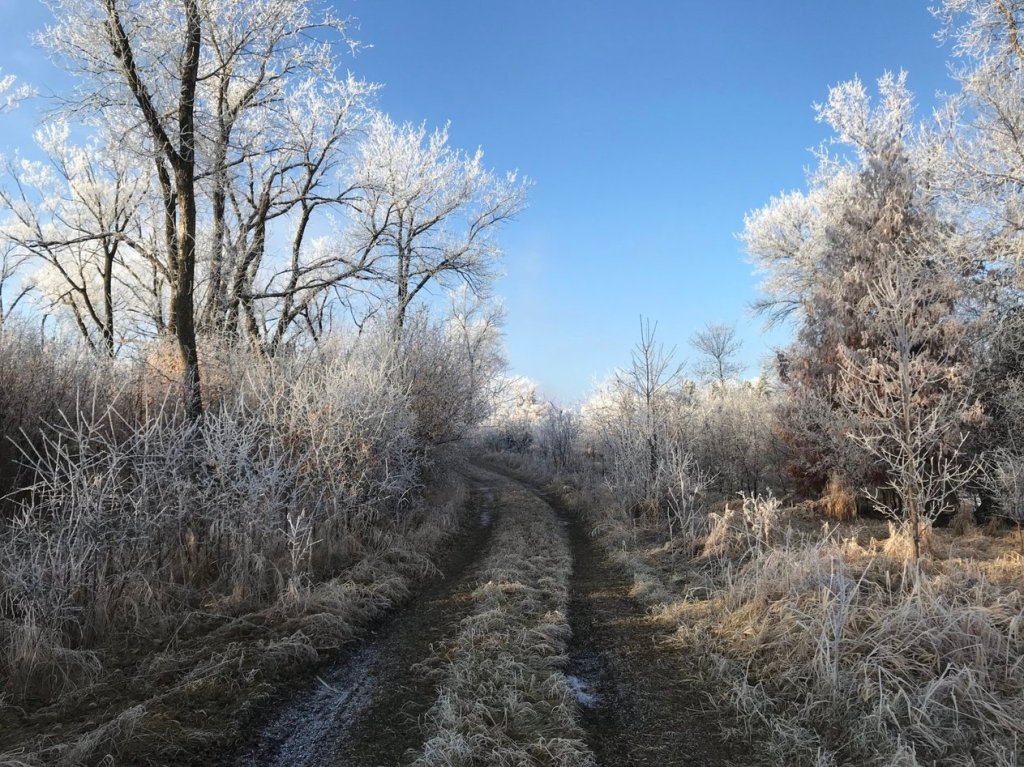
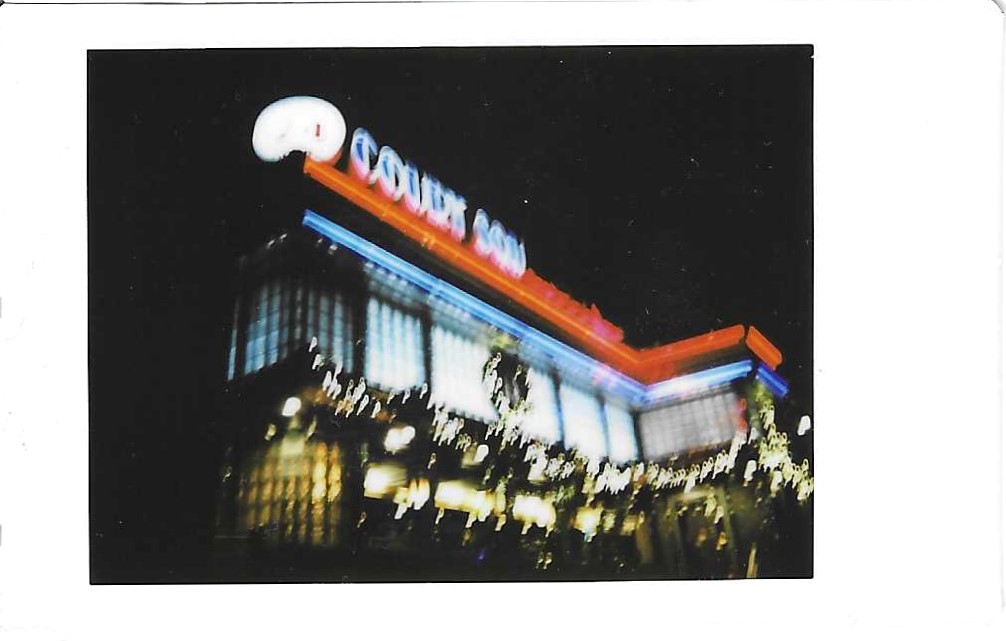
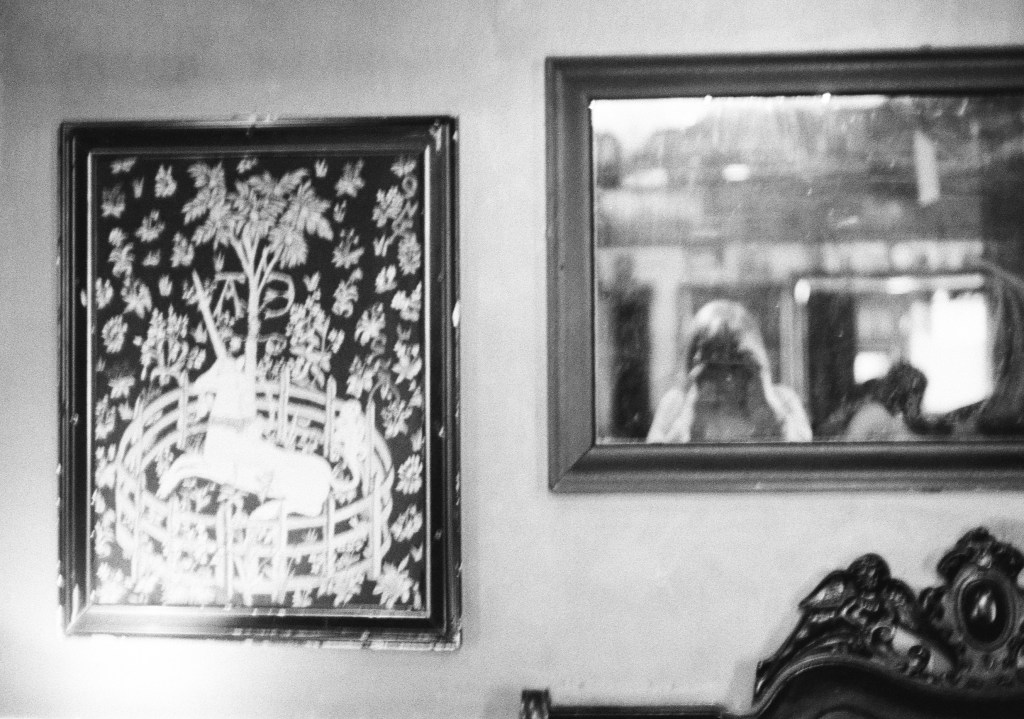
I wrote this when I was 15 or 16 and it was published in my high school’s literary journal, The Triangle, in 2007. It’s got some stream of consciousness going on. I also took the photo when I was 16.

 j.k. armstrong
Leave a comment